
CYBERSECURITY
SOC Analyst Career Guide
A practical path into security operations built around networking, endpoints, identity, logs, alert triage, investigation notes, and escalation discipline.
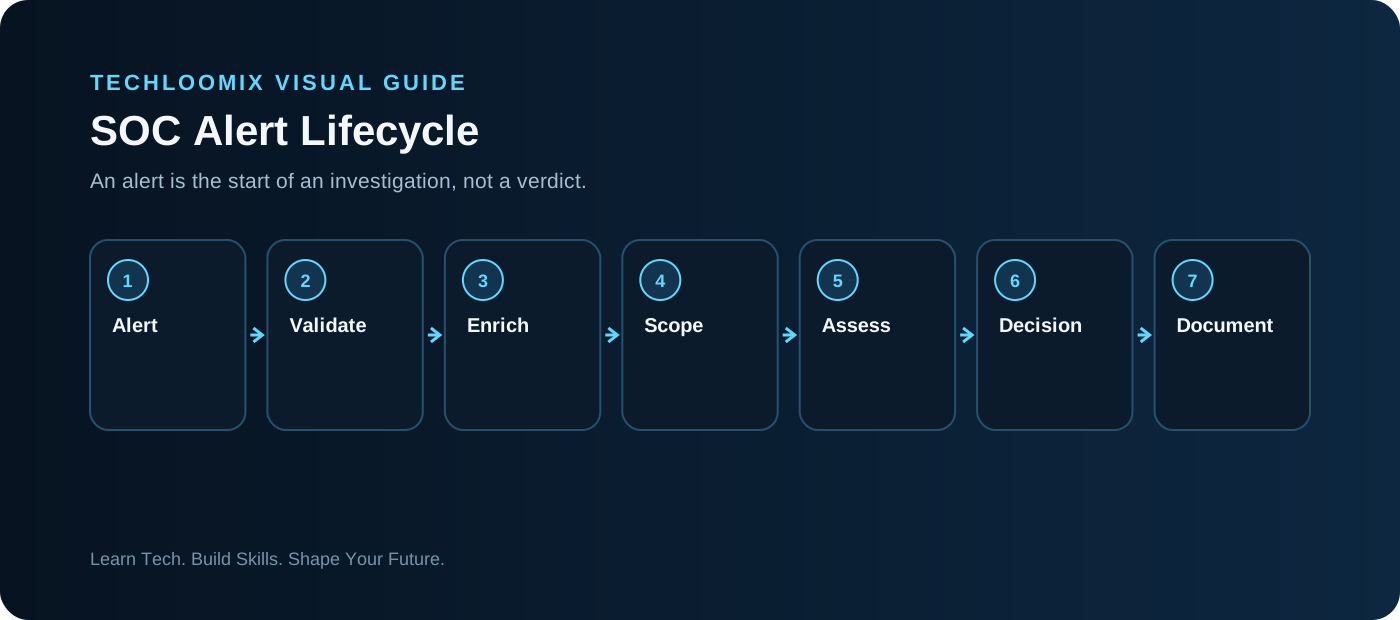
SOC ALERT LIFECYCLE
Build networking fundamentals first
Analysts need to understand IP addresses, DNS, ports, protocols, internal/external traffic, common services and normal connectivity before security alerts make sense.
Learn endpoint and identity evidence
Practice Windows and Linux logs, processes, services, users, authentication events, permissions, endpoint alerts and account context.
Understand what a SIEM does
A SIEM centralizes event data and supports searches, correlations, dashboards and alerts. An alert is a starting point for investigation, not automatic proof of compromise.
Practice alert triage
Read the detection logic, inspect evidence, enrich with user/host/network context, determine scope, assess severity and follow the playbook.
Write analyst-quality notes
Your notes should let another analyst understand what triggered, what you reviewed, what you found, why you reached the conclusion and what happened next.
Build a safe portfolio
Use benign sample logs and simulated incidents. Demonstrate investigation reasoning without handling real malicious content unsafely.
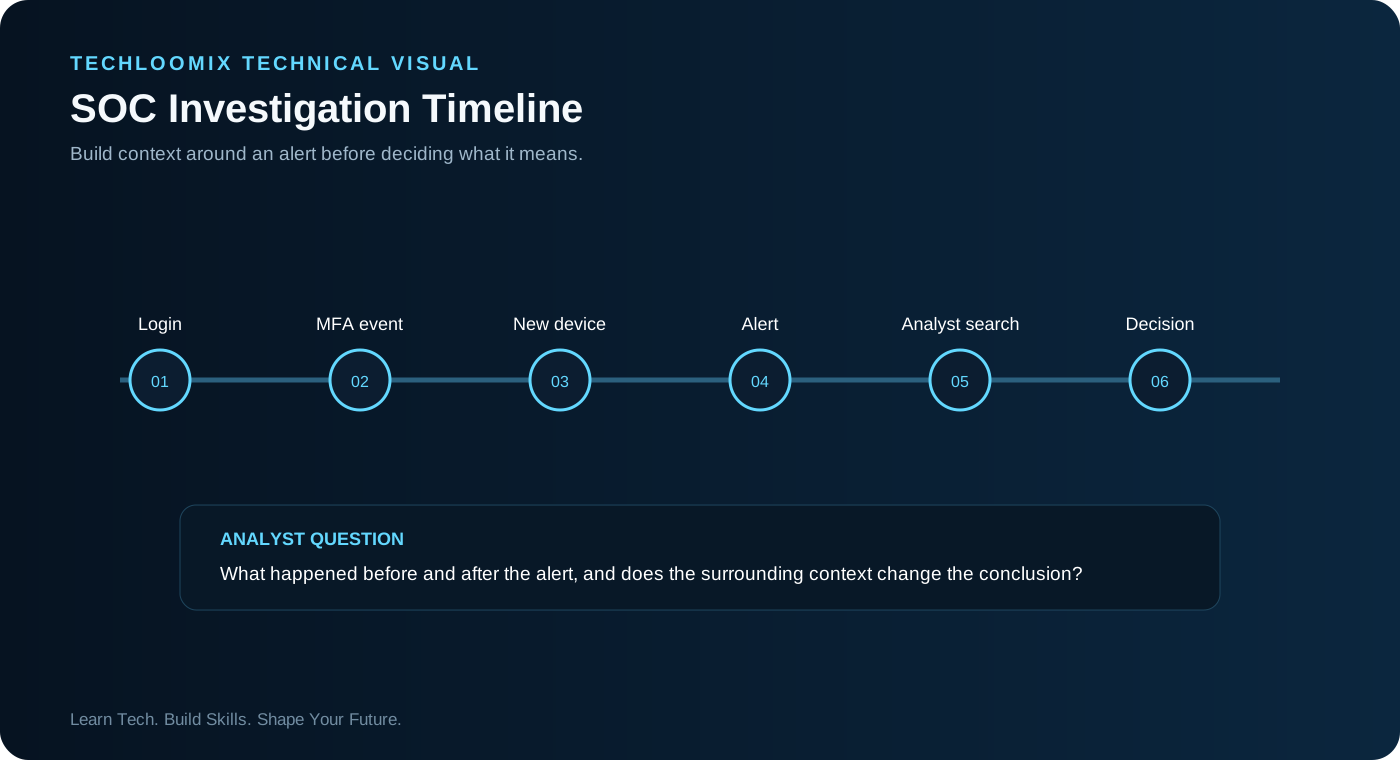
HANDS-ON LAB
Hands-on lab: suspicious-login triage
- Create a fictional login event with user, source IP, time, device and outcome.
- List the contextual questions an analyst should answer.
- Create two benign related events and one suspicious related event.
- Build a timeline.
- Decide whether to close or escalate based on the fictional evidence.
- Write a concise analyst note with evidence and rationale.
TROUBLESHOOTING WORKFLOW
NEXT STEP
Practice. Document. Explain.
Reading creates familiarity. Hands-on work plus clear documentation creates evidence of skill.